AE4 Follis of Valentinian II – Antioch Mint

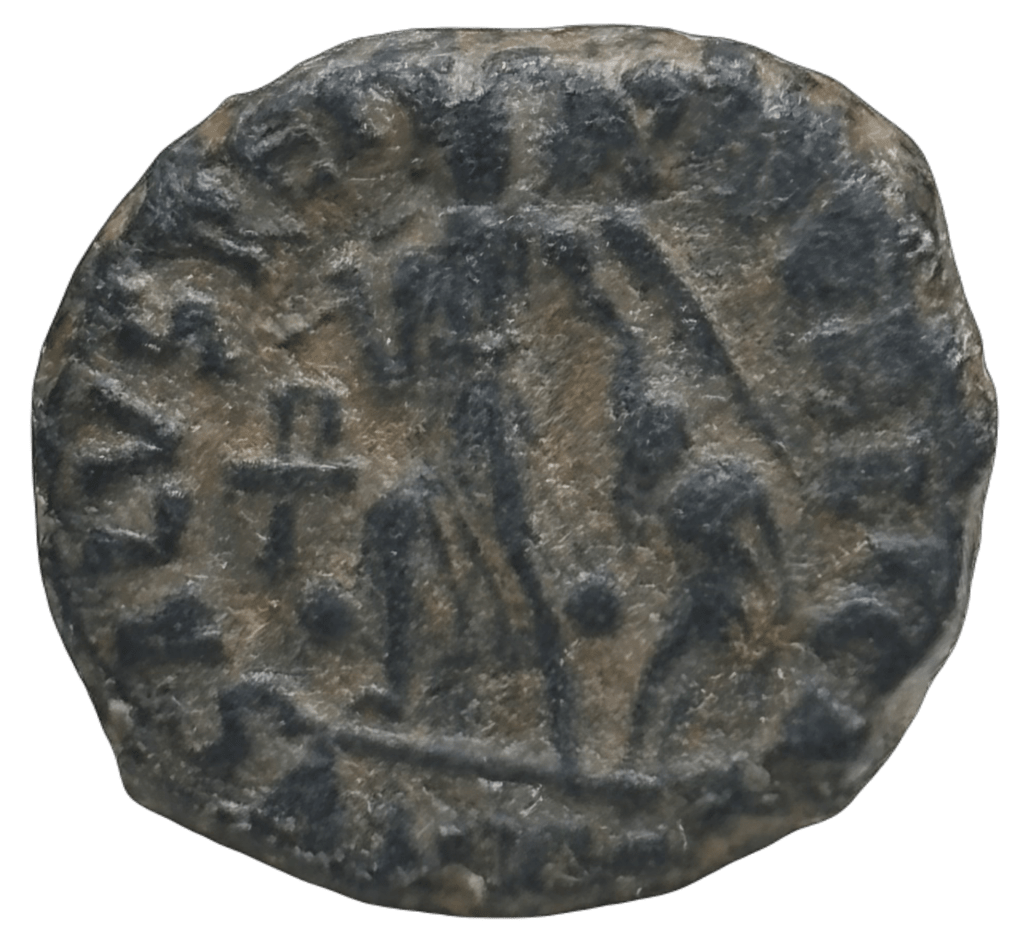
This bronze AE4 follis from the reign of Valentinian II (AD 375–392) is a compact but compelling piece of Roman numismatic history. Struck at the Antioch mint, it offers a striking glimpse into the iconography and messaging of the late Roman Empire.
Obverse Details
The obverse features the inscription:
DN VALENTINIANVS PF AVG
(Dominus Noster Valentinianus Pius Felix Augustus)
This identifies the emperor and affirms his legitimacy with titles meaning “Our Lord Valentinian, Dutiful and Fortunate Augustus.”
The portrait shows Valentinian II wearing a pearl diadem, signifying imperial status. He is draped and cuirassed, facing right—portrayed in traditional military style to emphasize strength and authority, despite the fact that he ascended the throne as a child.
Reverse Imagery
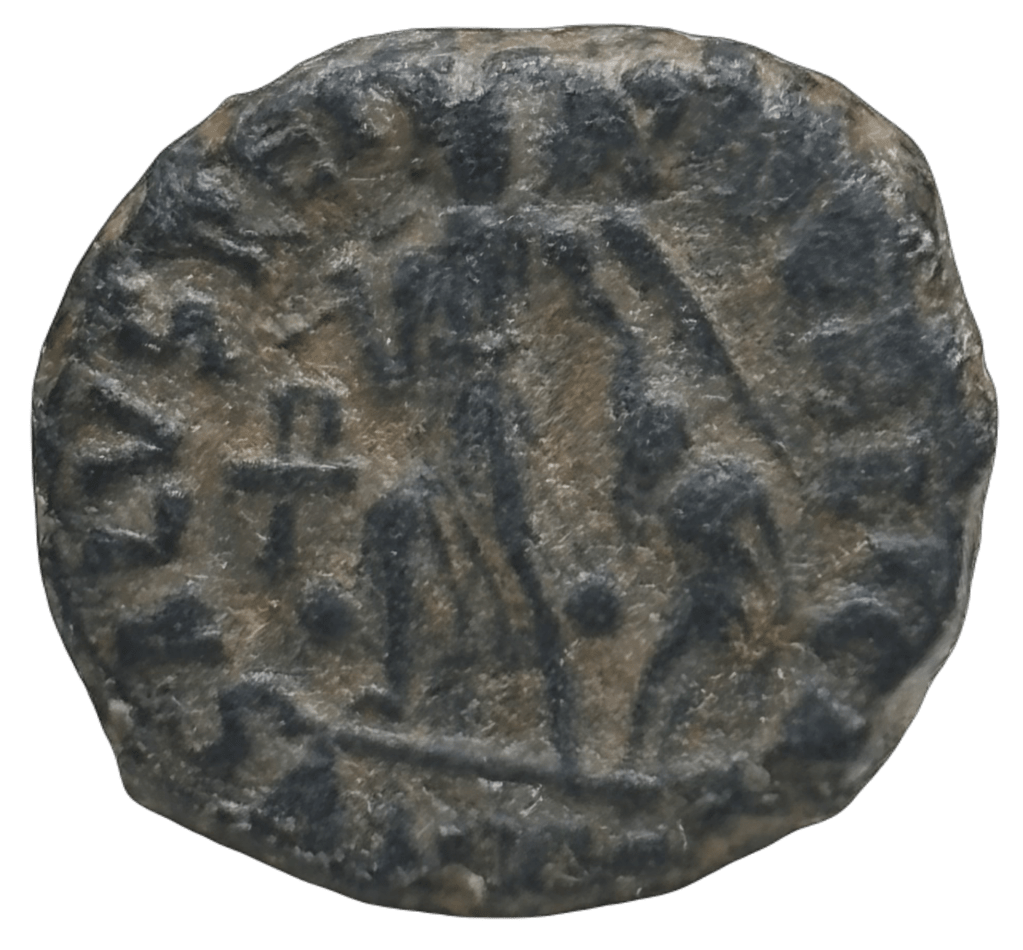
The reverse bears the legend:
SALVS REI-PVBLICAE – “The Welfare of the Republic”
This type, common in late 4th-century coinage, features Victory advancing left, carrying a trophy over her shoulder and dragging a captive. It’s a powerful image of Roman dominance and military success, even as the empire faced increasing pressure from both internal factions and external invasions.
In the left field, a Chi-Rho (☧) symbol appears—an overt Christian emblem, showing the full integration of Christianity into state symbolism by the late 4th century.
Mintmark
The mintmark appears in the exergue and likely reads ANTΔ or ANTA, confirming the coin’s origin at the Antioch mint. Antioch was one of the major eastern mints of the empire, and coins from this region are known for their detailed and consistent style.
AE Follis of Diocletian – RIC VI 581

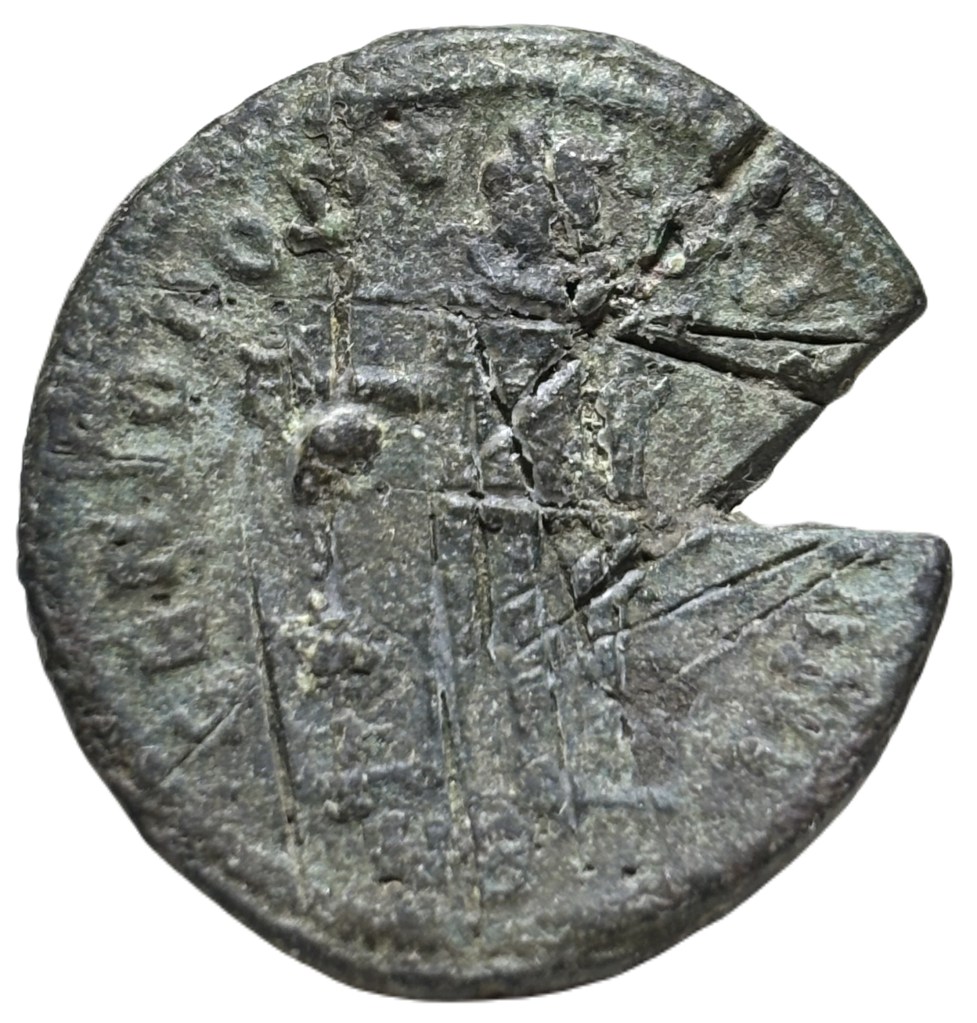
This bronze follis, struck under the authority of Emperor Diocletian (AD 284–305), is a representative example of the monetary reform that reshaped the coinage of the Roman Empire. Cataloged as RIC VI 581, this type was minted during the early Tetrarchic period and circulated widely throughout the empire.
Obverse Details

The obverse typically features the inscription:
IMP DIOCLETIANVS AVG
(Imperator Diocletianus Augustus)
This proclaims Diocletian’s full imperial title, asserting his authority as commander and emperor.
The bust of Diocletian faces right, shown laureate, draped, and cuirassed, evoking the strength and dignity of the office he held. The style is consistent with early 4th-century portraiture—formal, idealized, and meant to emphasize stability.
Reverse Imagery
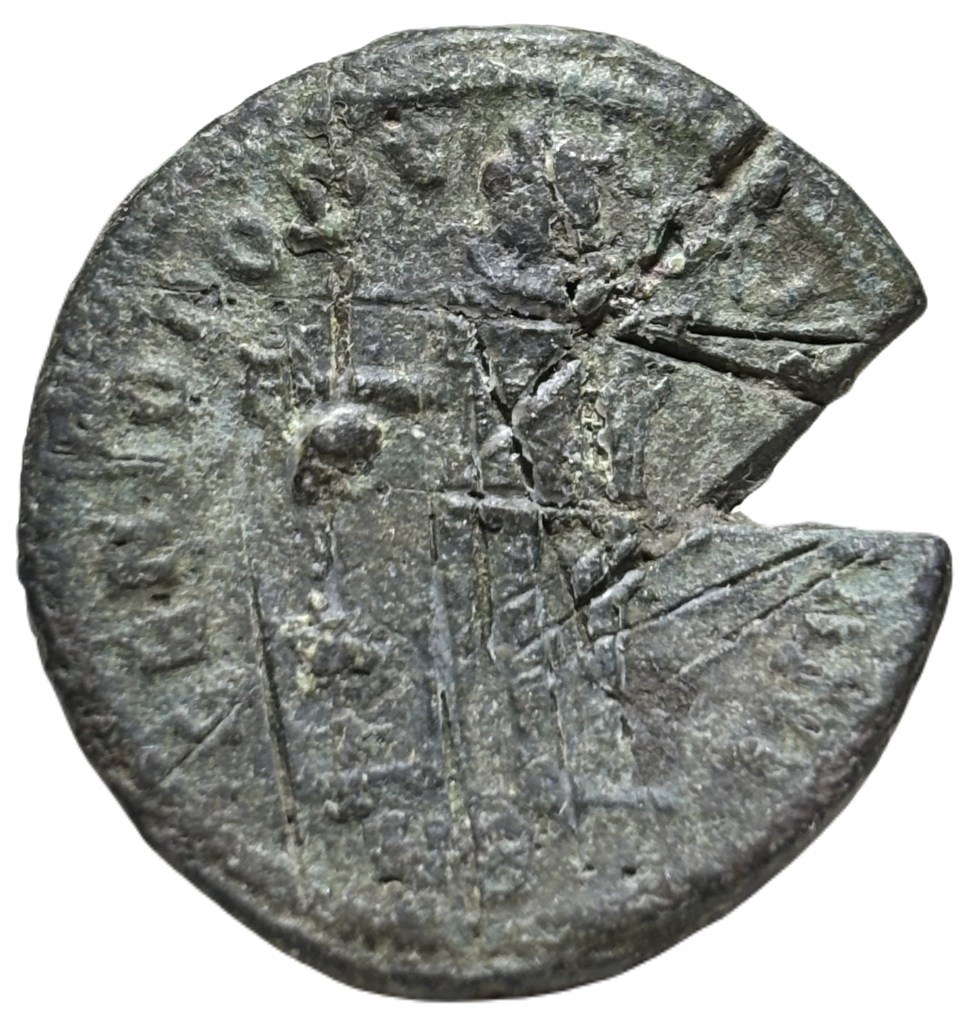
The reverse bears the inscription:
GENIO POPVLI ROMANI – “To the Genius of the Roman People”
It depicts the standing figure of Genius, the divine personification of the Roman state. He faces left, wearing a modius (grain measure) on his head, and holding a patera (libation bowl) and cornucopia—symbols of offering and abundance.
This reverse design was central to Diocletian’s monetary reform, promoting the idea of state unity, civic virtue, and renewed prosperity. It appeared on a wide range of follis coins throughout the Tetrarchy.
Mintmark
The coin is attributed to RIC VI 581, with mintmarks varying depending on the issuing city—often found in the exergue. While the specific mint for this specimen is uncertain, common sources for this type include Lugdunum, Ticinum, and Rome. Identifying the mint would depend on reading the final letters or symbols at the base of the reverse.
AE Nummus of Dalmatius – Thessalonica Mint (RIC VII 227)
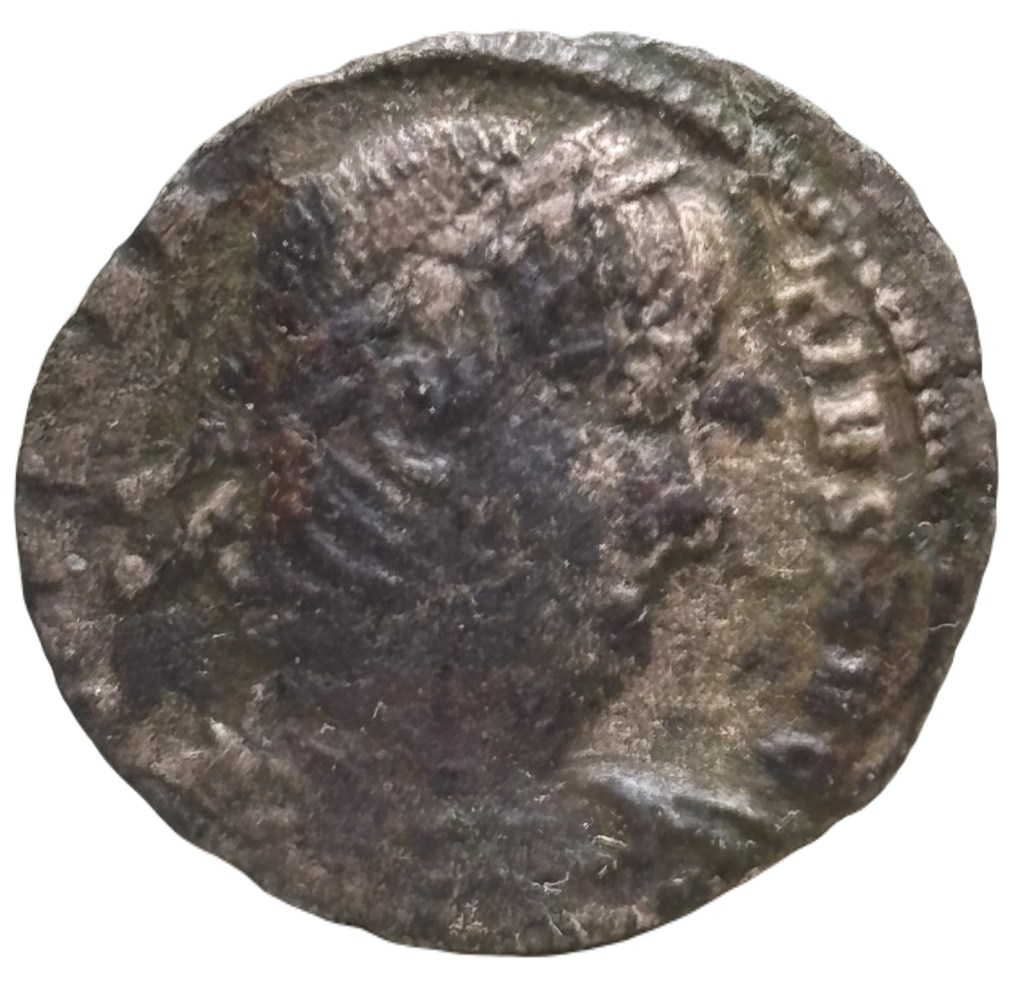
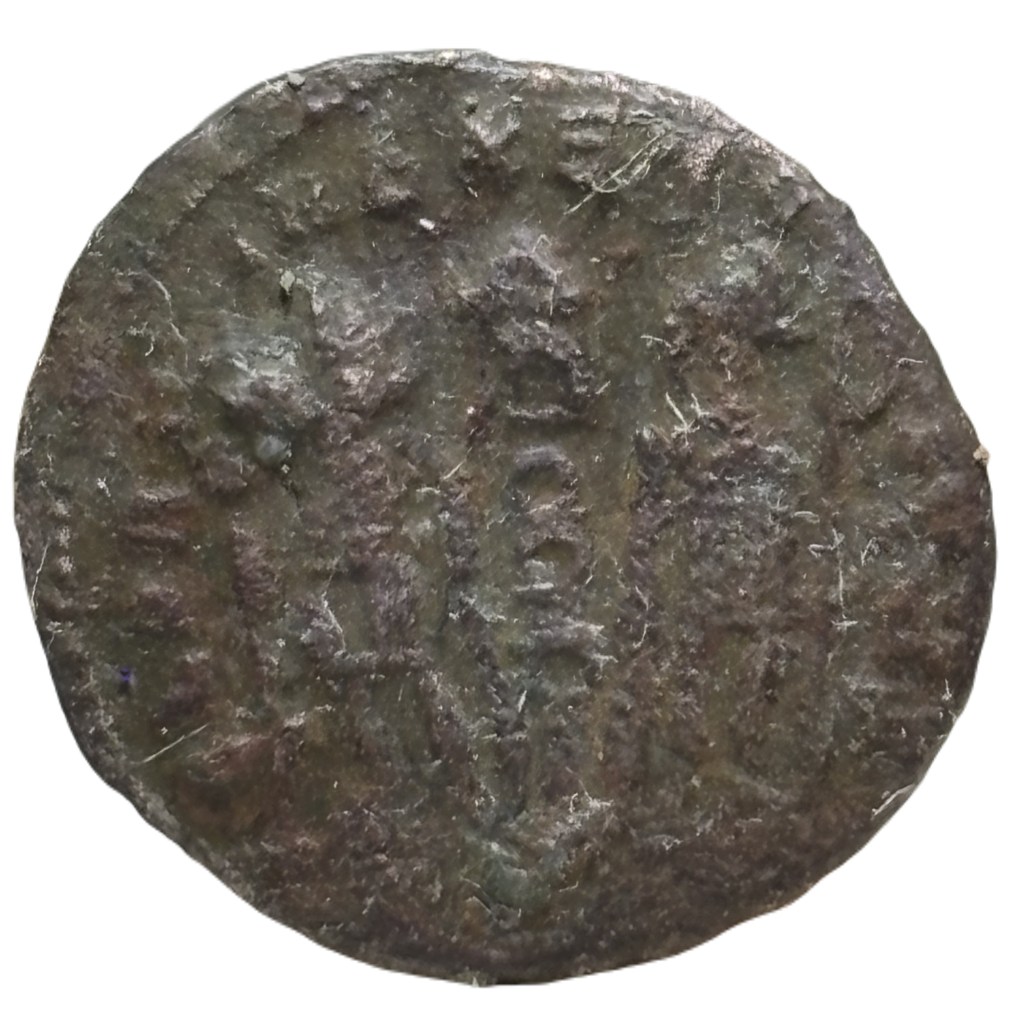
This small bronze nummus, struck between AD 336–337 at the Thessalonica mint, commemorates Dalmatius, a short-lived Caesar of the Constantinian dynasty. Though minor in size, this coin carries strong military and dynastic symbolism typical of Constantine I’s later coinage.
Obverse Details
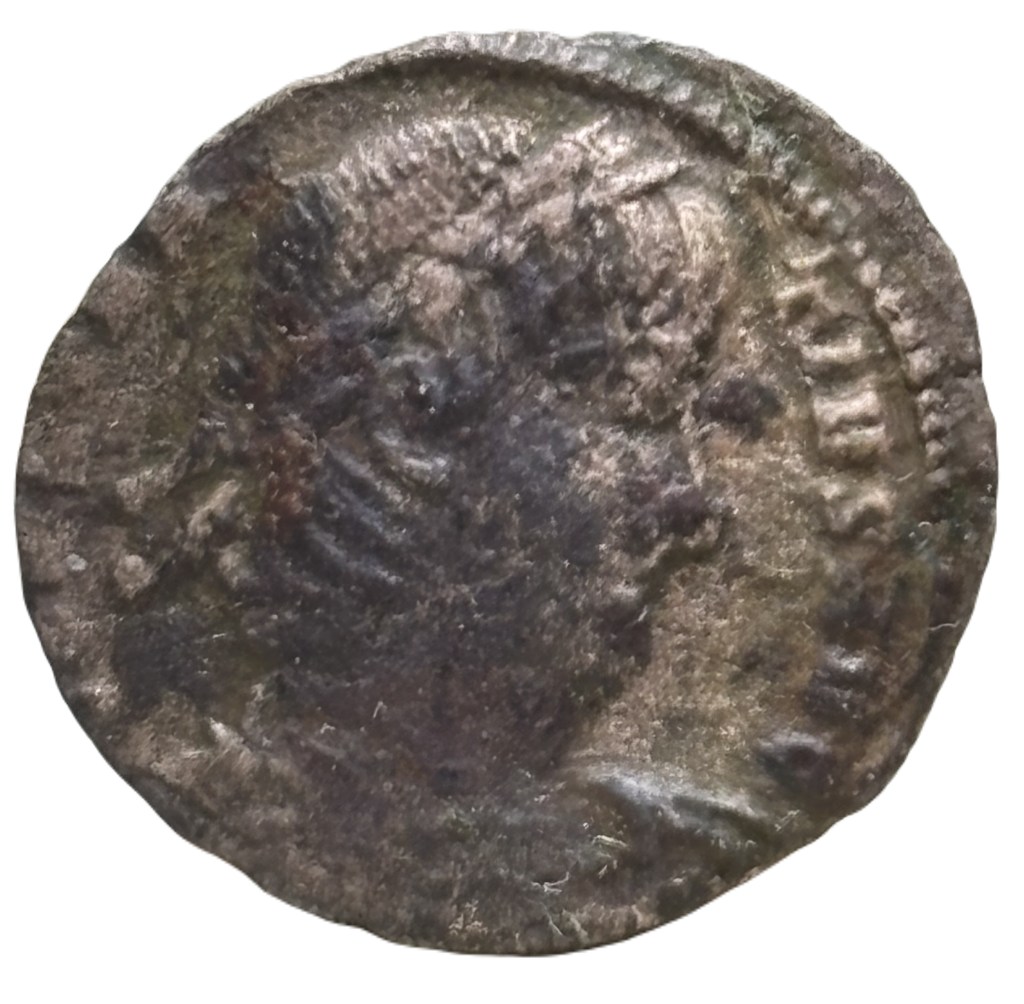
The obverse bears the inscription:
FL DALMATIVS NOB C
(Flavius Dalmatius Nobilis Caesar)
This identifies Dalmatius as a noble Caesar, the title given to junior emperors designated to assist in ruling the empire.
The bust of Dalmatius is shown laureate, draped, and cuirassed, facing right. The style echoes the official imperial portraiture of the time—firm, idealized, and designed to project authority despite Dalmatius’ limited reign.
Reverse Imagery
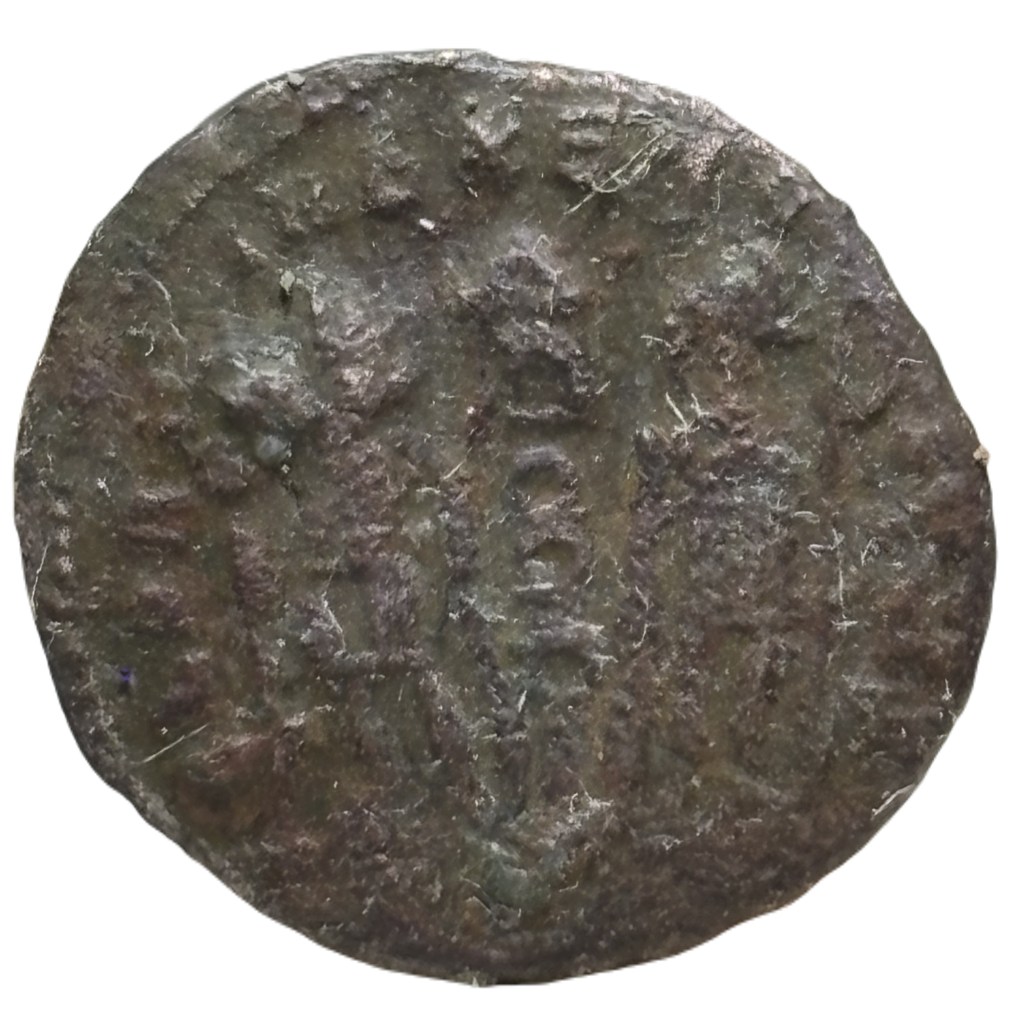
The reverse reads:
GLORI-A EXER-CITVS – “Glory of the Army”
This type features two helmeted soldiers, standing face to face. Each holds a reversed spear in the outer hand and rests the inner hand on a shield. Between them stands a single military standard.
This design was a hallmark of Constantine’s later reign and continued briefly under his successors. It emphasizes military discipline and loyalty—core values in a time of dynastic transition and internal rivalry.
Mintmark
In the exergue, the mintmark SMTS identifies the coin’s origin as the Thessalonica mint in Macedonia (modern-day Thessaloniki, Greece). The SM prefix stands for Sacra Moneta (Sacred Mint), a common abbreviation across late Roman mints.
Summary
Though modest in size and value, this AE nummus encapsulates a pivotal historical moment:
- The rising generation of Constantinian rulers, such as Dalmatius, appointed by Constantine I shortly before his death.
- A reverse type (GLORIA EXERCITVS) that unified the message of loyalty to the emperor and strength of the Roman military.
- A mintmark (SMTS) that places the coin firmly in one of the eastern centers of imperial production.
Issued just before Dalmatius’ abrupt removal and execution in AD 337, this coin stands as one of the few surviving official images of a Caesar who never made it to full imperial power.
 BillMullarky.com
Leave a comment